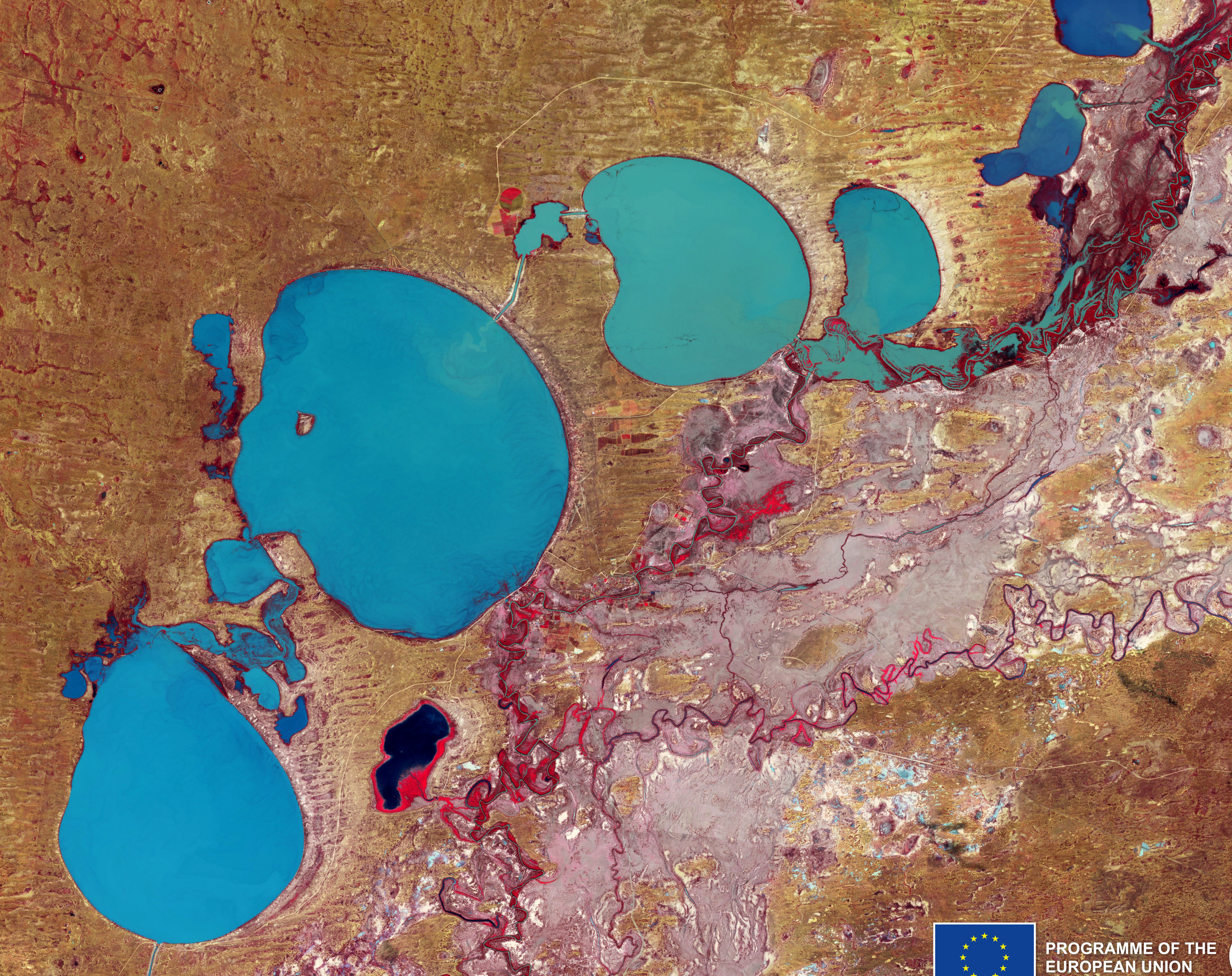
Water Level Analysis
The current volume at Lake Cawndilla is running lower than standard operational thresholds. At 20%, the facility only holds 631 GL. Drought conditions appear to be heavily impacting this specific catchment area.
Agricultural & Economic Significance
Agriculture in the surrounding areas of New South Wales depends heavily on the water security provided by Lake Cawndilla. Irrigation allocations are directly tied to these storage metrics. Without the buffer provided by this massive 631 GL storage, regional farming would face extreme volatility.
Ecological & Recreational Context
The surrounding catchment of Lake Cawndilla also supports diverse local flora and fauna. When capacity allows, Lake Cawndilla becomes a hub for regional tourism and water sports. However, environmental flow releases must be carefully balanced to protect downstream river health.
Current Weather & Evaporation Impact
Current local temperatures are sitting at a moderate 17°C. Under current clear sky weather, there is no direct rainfall contributing to the immediate storage levels.
Future Outlook & Monitoring
Looking ahead, the trajectory of Lake Cawndilla's water levels will depend heavily on upcoming seasonal rainfall patterns. Continuous telemetry and advanced hydrological modeling are employed to forecast storage changes. Resilience against extreme weather events remains the ultimate goal for the managers of this critical infrastructure.