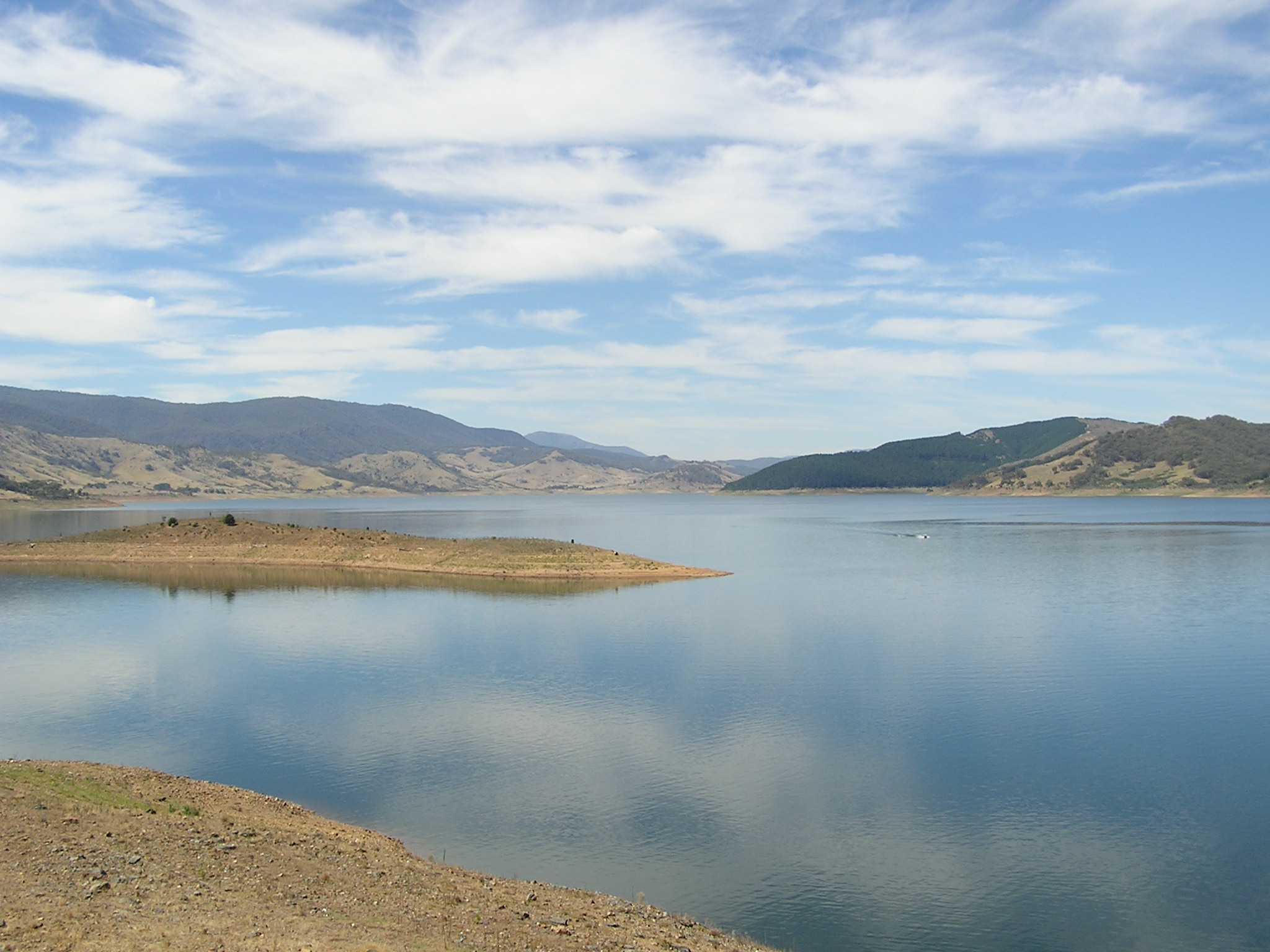
Water Level Analysis
Storage levels at Blowering are within moderate seasonal bounds. The current reading shows the reservoir at 50.5%, translating to 1,634 GL. Authorities continue to monitor inflows carefully.
Agricultural & Economic Significance
Beyond standard municipal supply, Blowering is a vital asset for the regional agricultural economy in New South Wales. The local economy, heavily rooted in agriculture, fluctuates in tandem with the health of this reservoir. Sustainable water management here ensures that both crops and livestock can survive prolonged dry spells.
Ecological & Recreational Context
Ecologically, the reservoir and its immediate wetlands serve as a crucial habitat for native Australian wildlife. During periods of healthy water levels, the area often sees an increase in recreational activities such as fishing, boating, and camping. However, environmental flow releases must be carefully balanced to protect downstream river health.
Current Weather & Evaporation Impact
The weather around the catchment is currently recording 16°C. With 0mm of recent rainfall and clear sky skies, the catchment is relatively dry today.
Future Outlook & Monitoring
Looking ahead, the trajectory of Blowering's water levels will depend heavily on upcoming seasonal rainfall patterns. State water authorities utilize highly sophisticated monitoring tools to ensure every drop is accounted for. Given the unpredictable nature of Australia's climate, from La Niña flooding to El Niño droughts, maintaining a dynamic operational strategy for Blowering is absolutely essential.