Water Level Analysis
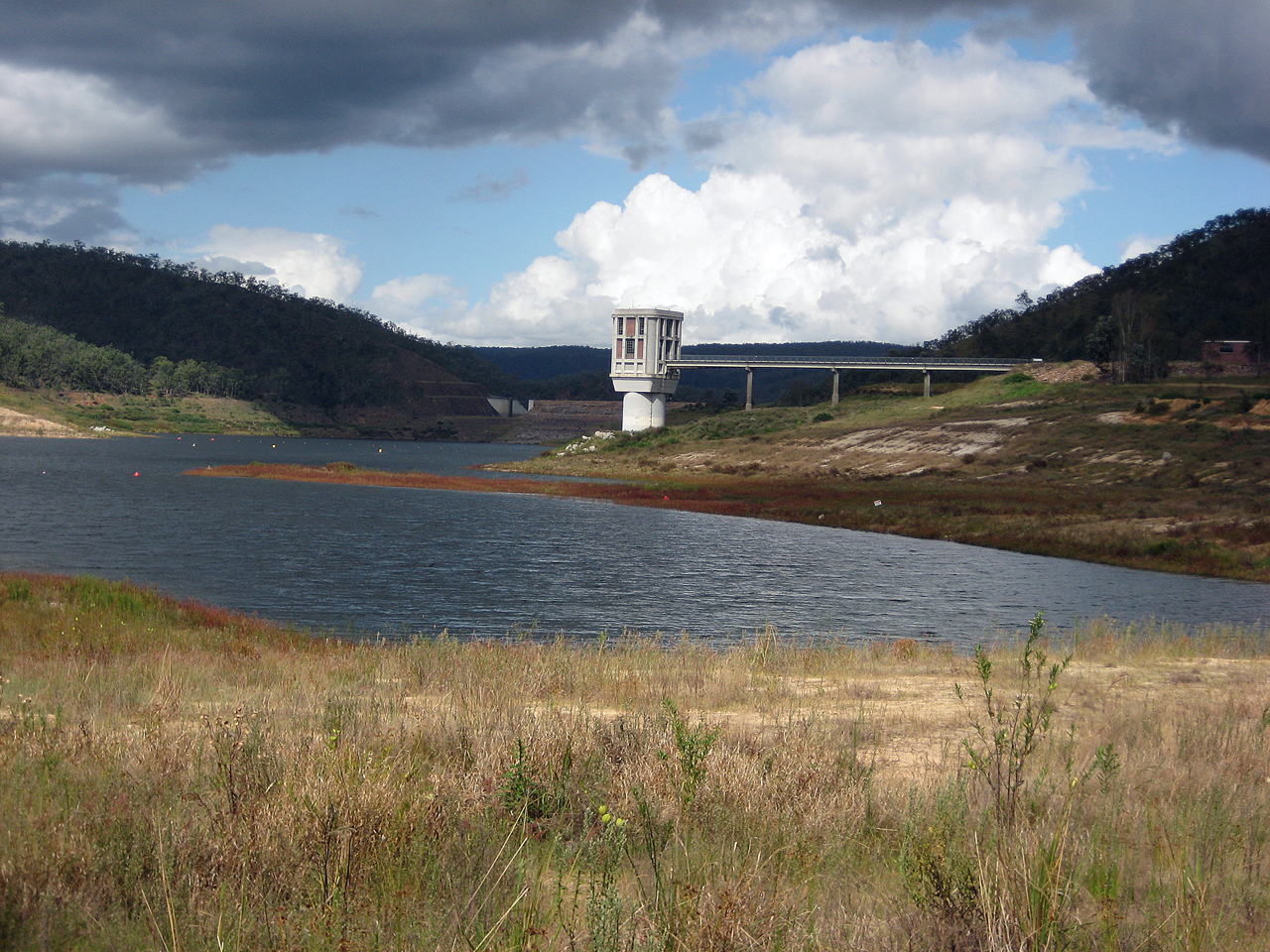
Water levels at Cressbrook Creek are well within positive historical averages. At 71.3% capacity, the facility is holding 82 GL of water. The local water grid benefits significantly from this stable storage level.
Catchment & Hydrological Impact
The Cressbrook Creek acts as the primary lifeblood for Cressbrook Creek, making it a cornerstone of the North East Coast network. Hydrological health in this specific drainage basin is vital for downstream ecosystems. The North East Coast region relies heavily on the seasonal inflows captured here.
Agricultural & Economic Significance
Agriculture in the surrounding areas of Queensland depends heavily on the water security provided by Cressbrook Creek. Irrigation allocations are directly tied to these storage metrics. Without the buffer provided by this massive 82 GL storage, regional farming would face extreme volatility.
Ecological & Recreational Context
Ecologically, the reservoir and its immediate wetlands serve as a crucial habitat for native Australian wildlife. When capacity allows, Cressbrook Creek becomes a hub for regional tourism and water sports. Authorities must constantly balance the need for human water consumption with the ecological necessity of maintaining healthy river systems downstream.
Current Weather & Evaporation Impact
Current local temperatures are sitting at a moderate 20°C. Currently experiencing partly cloudy conditions with no immediate precipitation, inflows remain entirely dependent on upstream river movement.
Future Outlook & Monitoring
Looking ahead, the trajectory of Cressbrook Creek's water levels will depend heavily on upcoming seasonal rainfall patterns. State water authorities utilize highly sophisticated monitoring tools to ensure every drop is accounted for. Given the unpredictable nature of Australia's climate, from La Niña flooding to El Niño droughts, maintaining a dynamic operational strategy for Cressbrook Creek is absolutely essential.