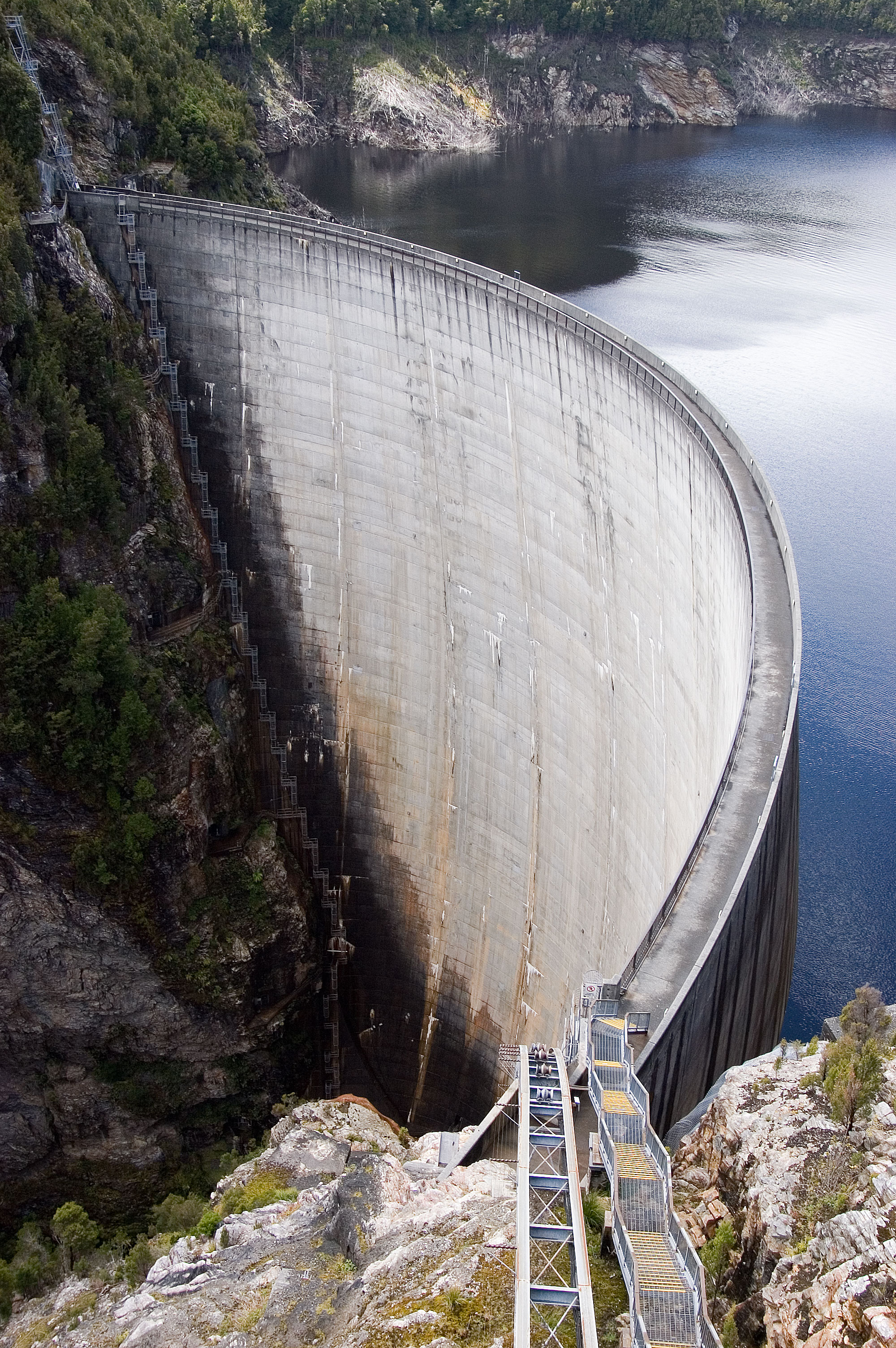
Water Level Analysis
The storage situation at Clarendon remains highly stable. At 80.5% capacity, the facility is holding 24 GL of water. This volume provides a solid foundation for both urban and agricultural demands across Queensland.
Agricultural & Economic Significance
Beyond standard municipal supply, Clarendon is a vital asset for the regional agricultural economy in Queensland. Farmers and agribusinesses monitor these levels closely to plan their seasonal crop yields. Sustainable water management here ensures that both crops and livestock can survive prolonged dry spells.
Ecological & Recreational Context
The surrounding catchment of Clarendon also supports diverse local flora and fauna. When capacity allows, Clarendon becomes a hub for regional tourism and water sports. However, environmental flow releases must be carefully balanced to protect downstream river health.
Current Weather & Evaporation Impact
The weather around the catchment is currently recording 19°C. With 0mm of recent rainfall and partly cloudy skies, the catchment is relatively dry today.
Future Outlook & Monitoring
Looking ahead, the trajectory of Clarendon's water levels will depend heavily on upcoming seasonal rainfall patterns. State water authorities utilize highly sophisticated monitoring tools to ensure every drop is accounted for. Given the unpredictable nature of Australia's climate, from La Niña flooding to El Niño droughts, maintaining a dynamic operational strategy for Clarendon is absolutely essential.