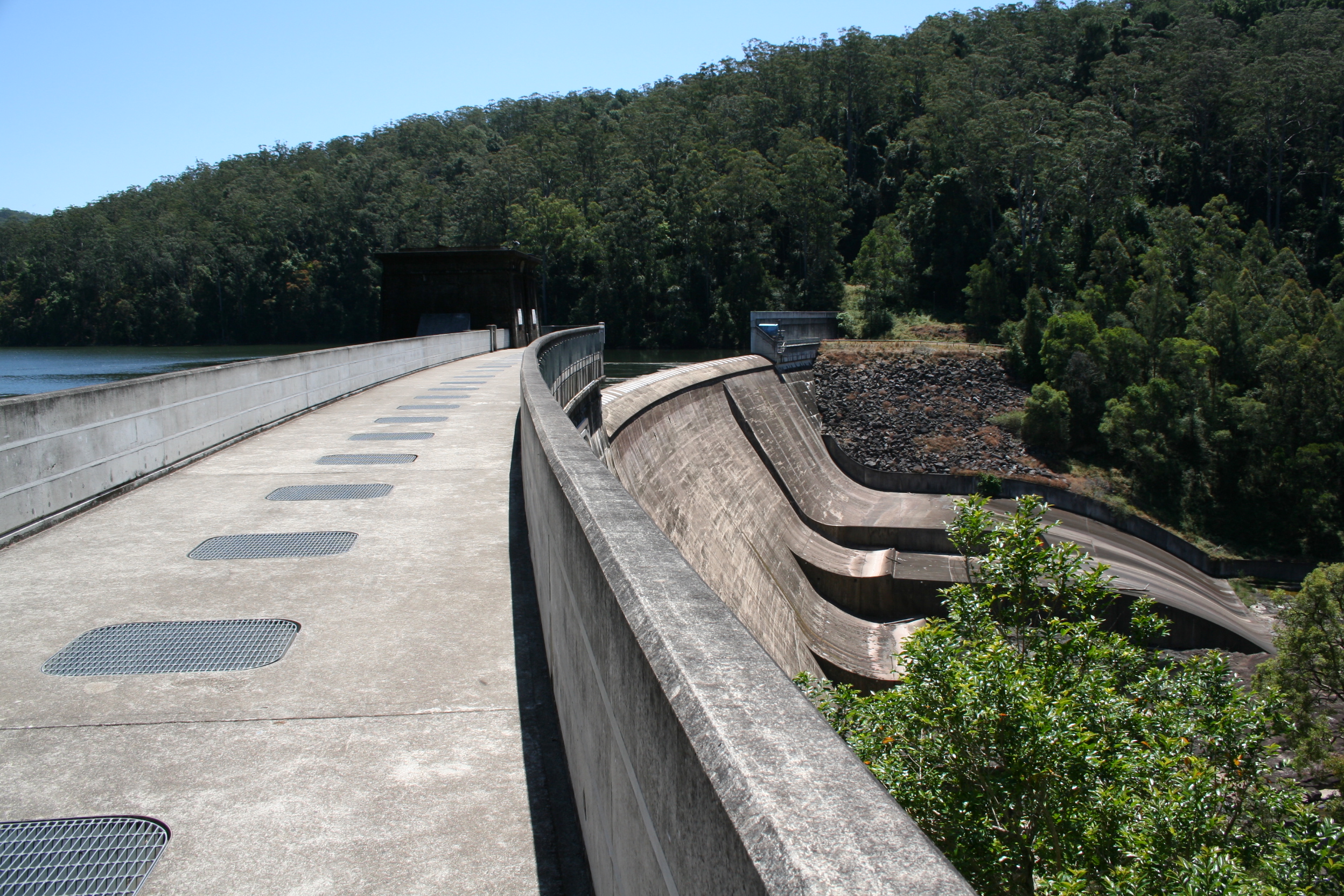
Water Level Analysis
Water levels at Chichester remain exceptionally high. With current readings at 97.5%, the reservoir holds a robust 19 GL. This provides immense water security for the New South Wales region.
Catchment & Hydrological Impact
Fed primarily by the Williams River, this reservoir plays a critical role in the South East Coast (NSW) drainage division. Hydrological health in this specific drainage basin is vital for downstream ecosystems. Catchment dynamics in the South East Coast (NSW) are deeply influenced by the retention capacity of Chichester.
Agricultural & Economic Significance
Agriculture in the surrounding areas of New South Wales depends heavily on the water security provided by Chichester. Irrigation allocations are directly tied to these storage metrics. Without the buffer provided by this massive 19 GL storage, regional farming would face extreme volatility.
Ecological & Recreational Context
Ecologically, the reservoir and its immediate wetlands serve as a crucial habitat for native Australian wildlife. When capacity allows, Chichester becomes a hub for regional tourism and water sports. However, environmental flow releases must be carefully balanced to protect downstream river health.
Current Weather & Evaporation Impact
The weather around the catchment is currently recording 16°C. Under current partly cloudy weather, there is no direct rainfall contributing to the immediate storage levels.
Future Outlook & Monitoring
The Bureau of Meteorology's climate outlooks will play a pivotal role in predicting the future inflows for this catchment. Continuous telemetry and advanced hydrological modeling are employed to forecast storage changes. Given the unpredictable nature of Australia's climate, from La Niña flooding to El Niño droughts, maintaining a dynamic operational strategy for Chichester is absolutely essential.