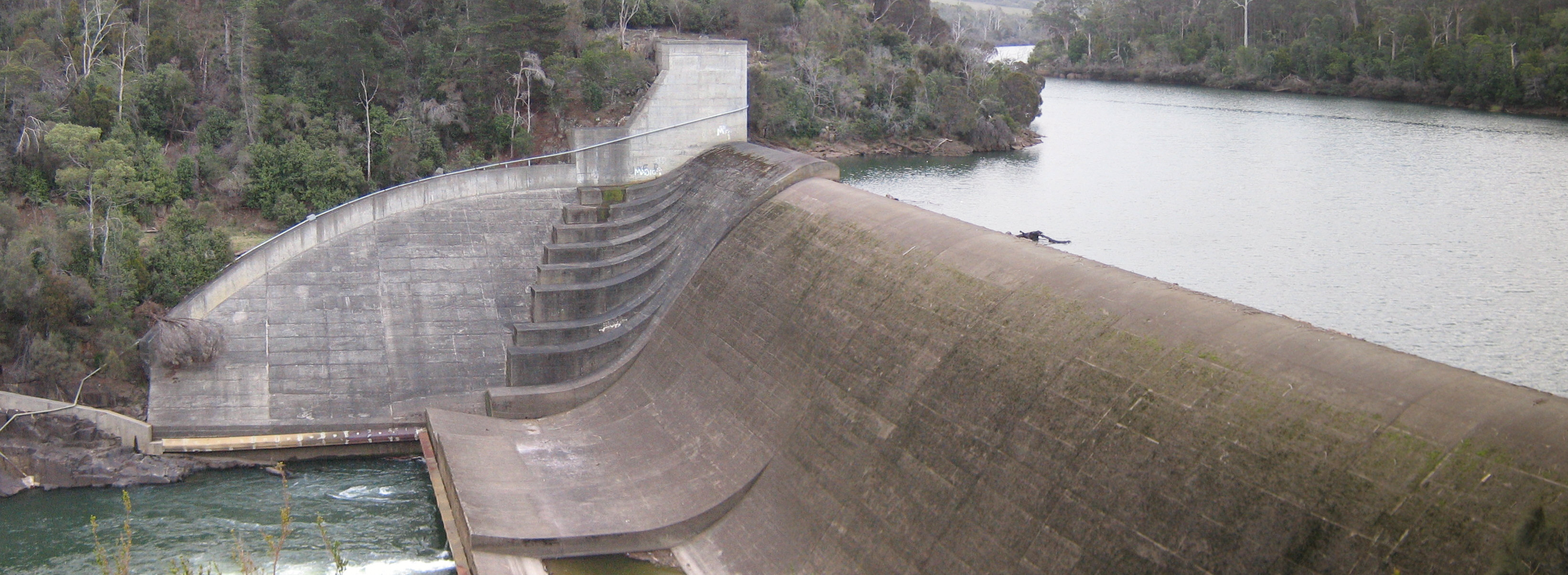
Water Level Analysis
Lake Trevallyn is currently exhibiting average water retention levels. Sitting at 59.9%, the total stored volume is 12 GL. Authorities continue to monitor inflows carefully.
Catchment & Hydrological Impact
Fed primarily by the South Esk River, this reservoir plays a critical role in the Tasmania drainage division. Managing the flow from the South Esk River ensures that downstream agricultural zones receive consistent supply. Catchment dynamics in the Tasmania are deeply influenced by the retention capacity of Lake Trevallyn.
Agricultural & Economic Significance
Agriculture in the surrounding areas of Tasmania depends heavily on the water security provided by Lake Trevallyn. Irrigation allocations are directly tied to these storage metrics. Sustainable water management here ensures that both crops and livestock can survive prolonged dry spells.
Ecological & Recreational Context
The surrounding catchment of Lake Trevallyn also supports diverse local flora and fauna. During periods of healthy water levels, the area often sees an increase in recreational activities such as fishing, boating, and camping. Authorities must constantly balance the need for human water consumption with the ecological necessity of maintaining healthy river systems downstream.
Current Weather & Evaporation Impact
With a mild reading of 12°C today, surface evaporation is significantly reduced, helping to preserve current volume. Under current partly cloudy weather, there is no direct rainfall contributing to the immediate storage levels.
Future Outlook & Monitoring
The Bureau of Meteorology's climate outlooks will play a pivotal role in predicting the future inflows for this catchment. State water authorities utilize highly sophisticated monitoring tools to ensure every drop is accounted for. Resilience against extreme weather events remains the ultimate goal for the managers of this critical infrastructure.