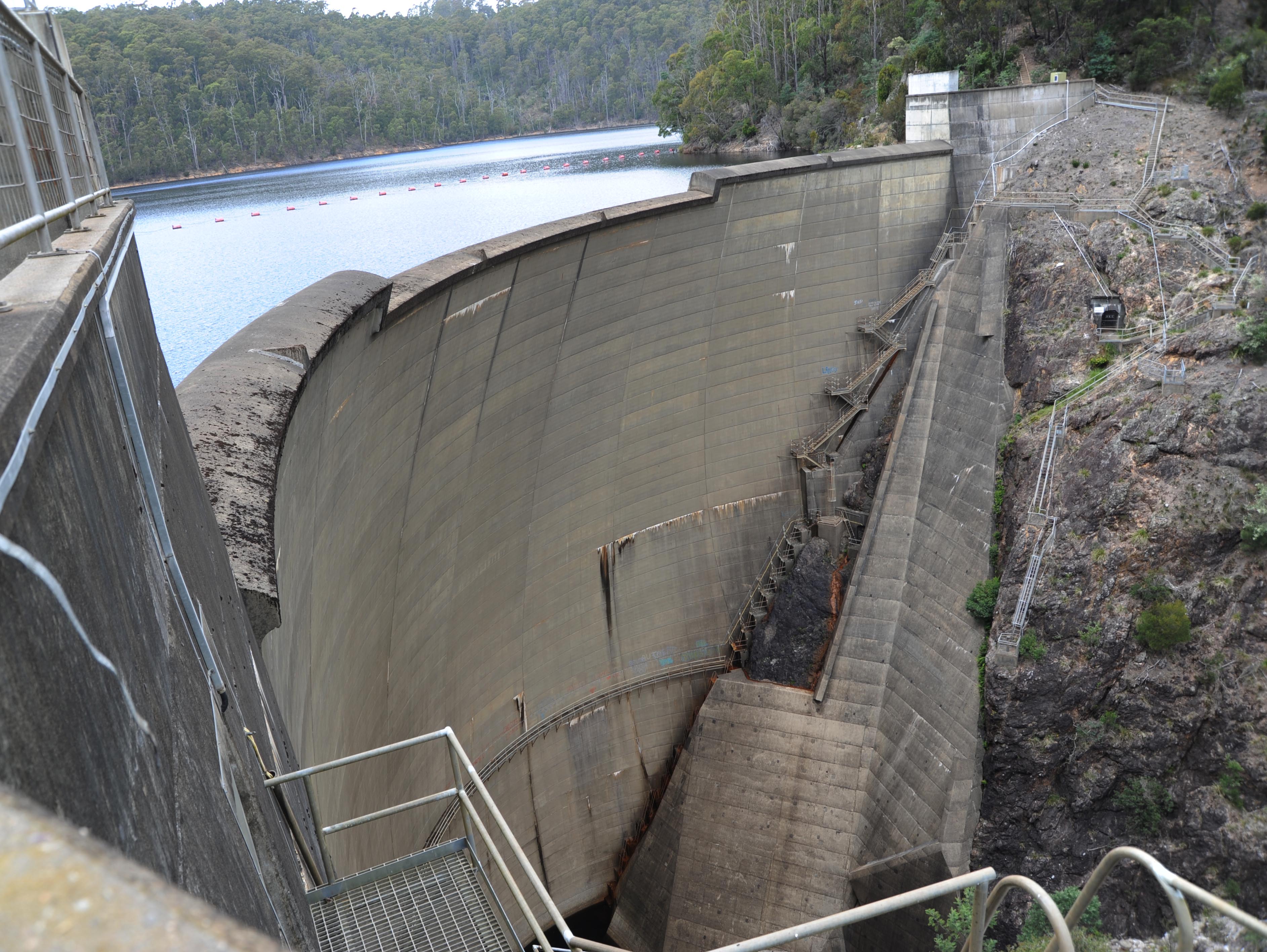
Water Level Analysis
Water levels at Lake Barrington are noticeably below historical averages. With the reservoir sitting at just 36.9%, the total available volume is 180 GL. Drought conditions appear to be heavily impacting this specific catchment area.
Agricultural & Economic Significance
Agriculture in the surrounding areas of Tasmania depends heavily on the water security provided by Lake Barrington. Irrigation allocations are directly tied to these storage metrics. Without the buffer provided by this massive 180 GL storage, regional farming would face extreme volatility.
Ecological & Recreational Context
The surrounding catchment of Lake Barrington also supports diverse local flora and fauna. During periods of healthy water levels, the area often sees an increase in recreational activities such as fishing, boating, and camping. However, environmental flow releases must be carefully balanced to protect downstream river health.
Current Weather & Evaporation Impact
Cooler current temperatures of 15°C help minimize evaporation losses across the reservoir. With 0mm of recent rainfall and partly cloudy skies, the catchment is relatively dry today.
Future Outlook & Monitoring
The Bureau of Meteorology's climate outlooks will play a pivotal role in predicting the future inflows for this catchment. State water authorities utilize highly sophisticated monitoring tools to ensure every drop is accounted for. Given the unpredictable nature of Australia's climate, from La Niña flooding to El Niño droughts, maintaining a dynamic operational strategy for Lake Barrington is absolutely essential.