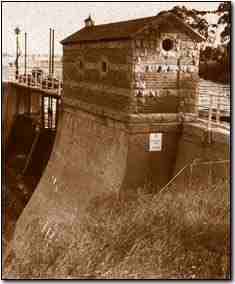
Water Level Analysis
Water levels at Goulburn Weir remain exceptionally high. Standing at an impressive 97.4%, the total volume sits at 26 GL. Such elevated levels ensure uninterrupted supply for the surrounding catchments.
Catchment & Hydrological Impact
The Goulburn River acts as the primary lifeblood for Goulburn Weir, making it a cornerstone of the Murray-Darling Basin network. Managing the flow from the Goulburn River ensures that downstream agricultural zones receive consistent supply. The Murray-Darling Basin region relies heavily on the seasonal inflows captured here.
Agricultural & Economic Significance
Beyond standard municipal supply, Goulburn Weir is a vital asset for the regional agricultural economy in Victoria. Farmers and agribusinesses monitor these levels closely to plan their seasonal crop yields. Without the buffer provided by this massive 26 GL storage, regional farming would face extreme volatility.
Ecological & Recreational Context
The surrounding catchment of Goulburn Weir also supports diverse local flora and fauna. During periods of healthy water levels, the area often sees an increase in recreational activities such as fishing, boating, and camping. However, environmental flow releases must be carefully balanced to protect downstream river health.
Current Weather & Evaporation Impact
With a mild reading of 12°C today, surface evaporation is significantly reduced, helping to preserve current volume. With 0mm of recent rainfall and partly cloudy skies, the catchment is relatively dry today.
Future Outlook & Monitoring
Looking ahead, the trajectory of Goulburn Weir's water levels will depend heavily on upcoming seasonal rainfall patterns. Continuous telemetry and advanced hydrological modeling are employed to forecast storage changes. Given the unpredictable nature of Australia's climate, from La Niña flooding to El Niño droughts, maintaining a dynamic operational strategy for Goulburn Weir is absolutely essential.